
CALGreen Services for City of Sonoma
The City of Sonoma has also adopted the CALGreen green building code to promote sustainable construction practices and reduce the environmental impact of new developments.


The City of Sonoma has also adopted the CALGreen green building code to promote sustainable construction practices and reduce the environmental impact of new developments.

City of Santa Rosa has implemented stringent green building codes in line with the statewide CALGreen program. Santa Rosa is committed to reducing the environmental impact of new developments and promoting sustainable construction practices.
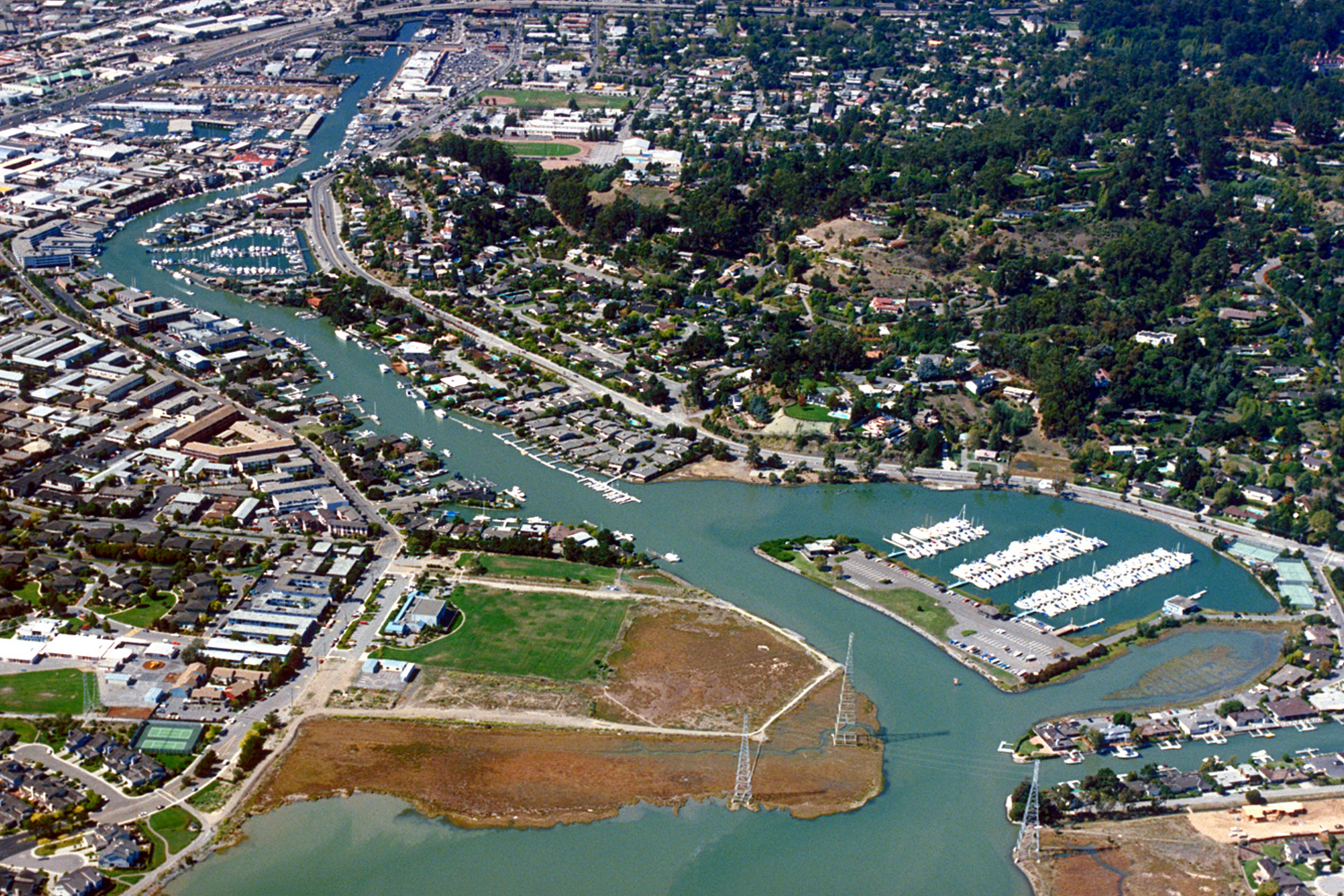
This article will discuss the CALGreen Services for San Rafael
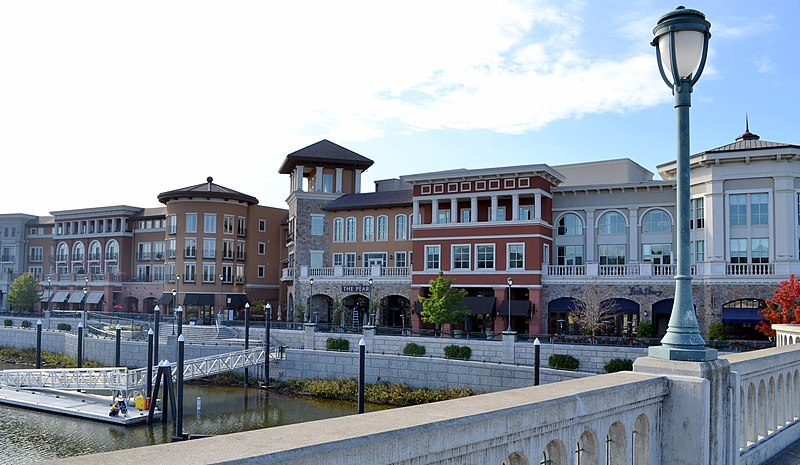
The City of Napa has also adopted a stringent form of CALGreen green building code to reduce the environmental impact of new construction and promote

The Dual Fuel Heat Pump is a combination of both heating and cooling systems which consists of electric heat pump and a gas furnace. The major heating load is addressed by the heat pump as it is more efficient than the gas furnace.

CALGreen – City of Palo Alto has implemented one of the most aggressive green building codes in the state of California. Due to very high value of real estate and heightened awareness for sustainable construction practices among the residents, city has succeeded in justifying the enforcement of green building code that few other cities in the state of California have enforced.

California, a renowned leader in environmental protection, has implemented CALGreen, a comprehensive green building code that sets mandatory standards for sustainable construction.

California is a state known for its commitment to sustainability and environmental protection. One of the ways it achieves this is through the implementation of Title 24, a set of building energy efficiency standards.

California has long been a leader in environmental protection, and its commitment to sustainability is evident through its progressive building code: Title 24.

CALGreen Code Section A5.405.5: Cement and concrete.
Use cement and concrete made with recycled products and complying with the following sections:
CALGreen Code Section A5.405.5.1: Cement.

CALGreen – To provide vehicle parking that satisfies local zoning requirements while minimizing the on-site space required to accommodate the required number of parking spaces. In addition, it discourages the design of parking lots larger than necessary.
CALGreen – To promote the installation and use of on-site renewable energy production that partially balances the energy consumption of a building.

CALGreen – By minimizing peak rain-water runoff, utilizing regional water quality control board mitigation measures locally, and/or utilizing other mitigation methods described above, these laws aim to promote low-impact development. Site that has grayfield or infill. In places with impermeable surfaces, rainfall needs to be managed at a slower rate than in undeveloped areas.

CALGreen – These actions are intended to cut back on indoor potable water consumption beyond the required flow rates and compliance. The state’s unstable water supply and the likelihood of future population increase and droughts, California may soon run out of water. The provisions take into account how much energy is needed to purify drinking water.

CALGreen – To limit the development of nonroof and roof heat islands in new construction, therefore lowering the energy need for building cooling and regulating ambient temperature. Additionally, Tier 1 and Tier 2 measures for adoption by cities and counties seeking to go above and beyond the minimal statutory criteria for their communities include provisions for cool roof installations.

CALGreen – To promote electricity purchases from utilities with a renewable energy portfolio, therefore lowering reliance on carbon-based fuel for energy production and related greenhouse gas emissions. There may be rules that utilities must go by for their customer portfolios or pricing policies to safeguard consumers, but there are no building energy standards.

CALGreen – These steps are being taken to lessen the amount of heat gain caused by sun exposure. A structure’s outside surfaces are exposed to more sunlight at specific periods of the year. By screening the windows from the outside, the reduction in heat gain via windows may be greatly decreased. Additionally, boosting the reflectivity of opaque walls is meant to lessen the area’s heat island impact.

CALGreen – To lower the amount of potable water used inside by allowing nonwater-supplied urinals as a fixture. To reduce water use and the corresponding energy consumption, a variety of technologies and strategies can be used. These include water-saving plumbing devices like waterless urinals, ultra-low-flow toilets, sinks with flow restrictions, and showerheads, as well as dishwashers and washing machines.

CALGreen – By reestablishing damaged or previously built landscapes with locally adapted vegetation, including native species, these actions aim to decrease the demand of potable water for landscape irrigation. It is intended to help with erosion management and storm water pollution prevention both during and after construction. It also aims to prevent the growth of invasive alien plants, which has a propensity to overwhelm ecosystems and decrease the diversity of flora and animals.

CALGreen – The purpose of this regulation is to decrease outdoor water usage below the minimum standard. A separate water meter must presently be erected by the water provider for new water service servicing more than 5,000 square feet of irrigated landscape.