
California Green Building Code (CALGreen) – No added formaldehyde
CALGreen – These regulation aims to promote the use of ultra-low emitting formaldehyde (ULEF) resins or no-added formaldehyde (NAF) based resins for items installed in a project.


CALGreen – These regulation aims to promote the use of ultra-low emitting formaldehyde (ULEF) resins or no-added formaldehyde (NAF) based resins for items installed in a project.

CALGreen – These precautions are meant to lower occupant exposure to potentially dangerous fumes or chemicals in certain spaces or rooms, such as garages, cleaning or laundry rooms, and printing rooms. Additionally, it prevents dangerous effects from spreading to nearby locations.

CALGreen – These procedures are meant to lessen the number of pollutants that people’s shoes or wet clothing bring into a building at points of entrance. This maintains higher level air quality for building occupants by keeping the air and finish surfaces free of contaminants.

CALGreen – These are meant to give building occupants some degree of control over the lighting and thermal comfort in their workstations, including multi-occupant spaces. Although there is little evidence to back up assertions that workers who have control over lighting and thermal comfort are more productive or more likely to show up to work, the objective is to raise workplace satisfaction.

CALGreen – To limit the use of refrigerants that harm the ozone layer and cause the greenhouse effect. The EPA is phasing out the use of these refrigerants gradually, but voluntary adoption of these regulations can fasten the process and safeguard our planet.

CALGreen – The intent of this measure is to salvage over 65% of all non-hazardous, new construction or demolition waste. The purpose is to reduce the amount of construction waste from new construction and demolition. This would encourage material resource efficiency through reuse and recycling of construction waste products

CALGreen – The installation and features of elevators and escalators that conserve energy by providing systems and controls to reduce the energy demand. This will save large amount of energy consumptions.

CALGreen – The infrastructure needs to be ready to support future electrical demands raising by the EV charging capabilities. This is done by installing raceways for future electric vehicle supply equipment (EVSE) at the time of new building construction.
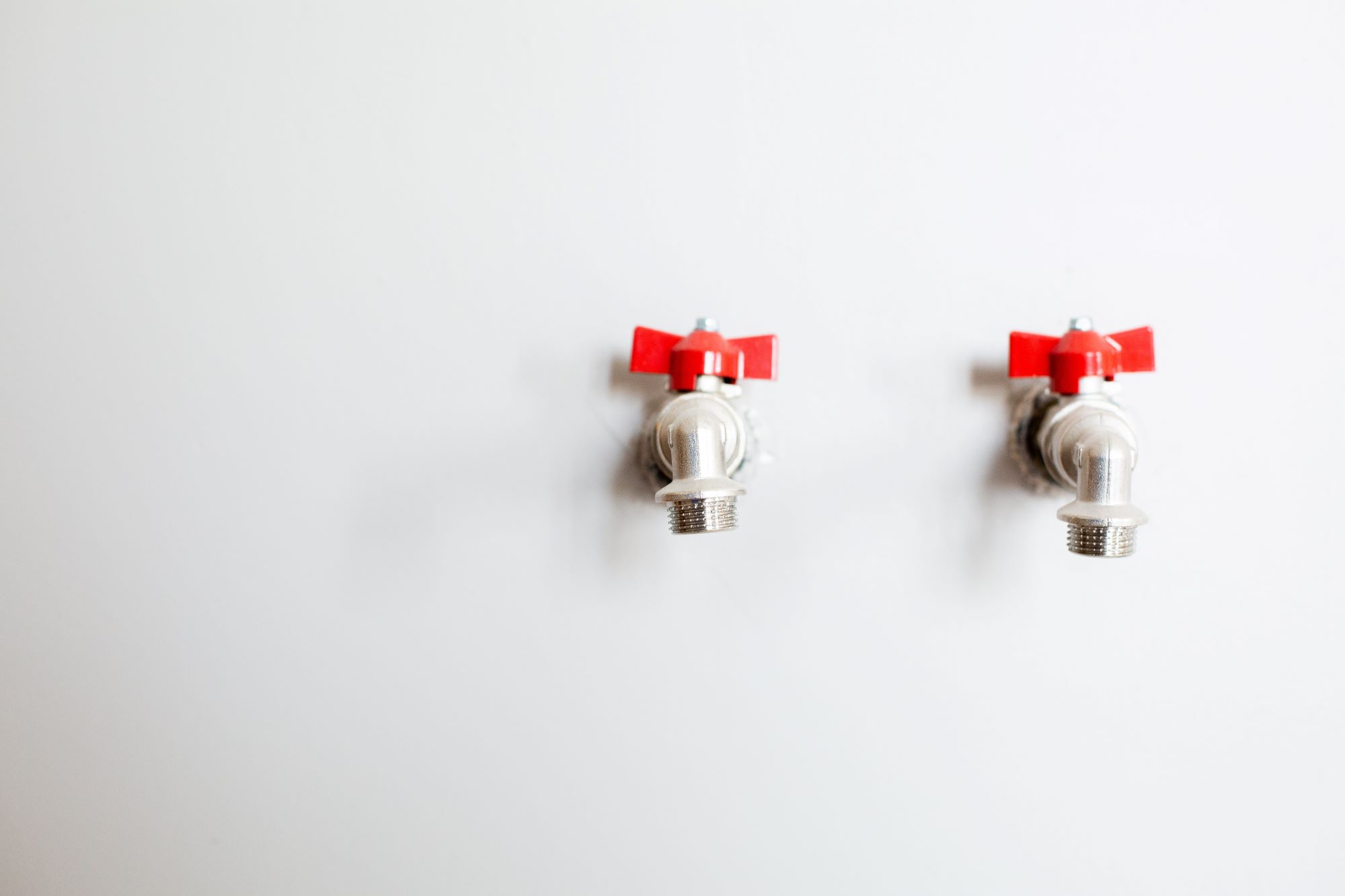
CALGreen – To promote the usage of recycled water which helps to reduce down the demand for the portable water requirement.

CALGreen – To promote the use of electric vehicles /clean air vehicles and reduce the emission of harmful pollutants in the air. The new construction projects are mandated for provision of designated parking spaces for clean air vehicles.

CALGreen – Materials selection affects many other high-performance goals in addition to indoor air quality. Important sources of IAQ contaminants are interior building materials, office furniture, and equipment. Interior building materials – including carpets, carpet padding, paints, sealants, adhesives, floor and ceiling tiles, cabinets, molding, composite wood products, and other wood work – can contain contaminants that are gradually emitted throughout the life of the material. The contaminants include volatile and semi-volatile organic compounds (VOCs and SVOCS, respectively), and small particulate substances that act as eye or throat irritants. It is important to select products whose emissions are low and the less hazardous.

CALGreen – Testing and adjusting is the process of evaluating temperature and environmental control systems to ensure they’re heating or cooling according to design specifications and at the equipment’s best level of efficiency. This process involves using test instruments, sensors and monitors to verify proper temperatures, airflow and other characteristics of the HVAC system.

CALGreen – During construction it is adequate to provide ventilation to reduce risks to health from air contaminants or lack of oxygen. It is important that the components of the ventilation system should not themselves present additional risks to those constructing the building.

CALGreen – The Commissioning Plan contains multiple documents, incorporating the list of tasks to be performed, schedule of activities and set targets to meet the goals bounded in the time line. It is a guide used by commissioning teams and project managers to establish the scope and responsibilities to be carried out in order to ensure and verify that the activities are working well.

CALGreen – It documents information needed to understand, operate and maintain the equipment and systems and informs those who are involved as maintenance in-charge of the building.

CALGreen – Functional Performance Testing (FTP) in the construction industry tests air and moisture movement through a building’s enclosure. These tests verify that building components are installed correctly and operate as per design. The result confirms that building enclosure is working correctly to avoid future moisture infiltration problems.

CALGreen-The hazardous waste needs to be disposed off sensibly. A universal waste items are prohibited to be disposed in the landfills. These item lists are to be mentioned in the construction documents.

CALGreen-This code requirement is to define the maximum allowable flow rates for plumbing fixtures and fittings, which include water closets, urinals and showerheads.

CALGreen-To provide specifications for plumbing fixtures and fittings by referencing the California Plumbing Code, installation to be based on these codes.

CALGreen-The building envelope including the foundations has to comply the weather-resistant norms subjected in the codes.