
California Green Building Code (CALGreen) – No added formaldehyde
CALGreen – These regulation aims to promote the use of ultra-low emitting formaldehyde (ULEF) resins or no-added formaldehyde (NAF) based resins for items installed in a project.


CALGreen – These regulation aims to promote the use of ultra-low emitting formaldehyde (ULEF) resins or no-added formaldehyde (NAF) based resins for items installed in a project.

CALGreen – These precautions are meant to lower occupant exposure to potentially dangerous fumes or chemicals in certain spaces or rooms, such as garages, cleaning or laundry rooms, and printing rooms. Additionally, it prevents dangerous effects from spreading to nearby locations.

CALGreen – These procedures are meant to lessen the number of pollutants that people’s shoes or wet clothing bring into a building at points of entrance. This maintains higher level air quality for building occupants by keeping the air and finish surfaces free of contaminants.

CALGreen – These are meant to give building occupants some degree of control over the lighting and thermal comfort in their workstations, including multi-occupant spaces. Although there is little evidence to back up assertions that workers who have control over lighting and thermal comfort are more productive or more likely to show up to work, the objective is to raise workplace satisfaction.

CALGreen – To limit the use of refrigerants that harm the ozone layer and cause the greenhouse effect. The EPA is phasing out the use of these refrigerants gradually, but voluntary adoption of these regulations can fasten the process and safeguard our planet.

CALGreen – The intent of this measure is to salvage over 65% of all non-hazardous, new construction or demolition waste. The purpose is to reduce the amount of construction waste from new construction and demolition. This would encourage material resource efficiency through reuse and recycling of construction waste products

CALGreen – The installation and features of elevators and escalators that conserve energy by providing systems and controls to reduce the energy demand. This will save large amount of energy consumptions.

CALGreen – The infrastructure needs to be ready to support future electrical demands raising by the EV charging capabilities. This is done by installing raceways for future electric vehicle supply equipment (EVSE) at the time of new building construction.
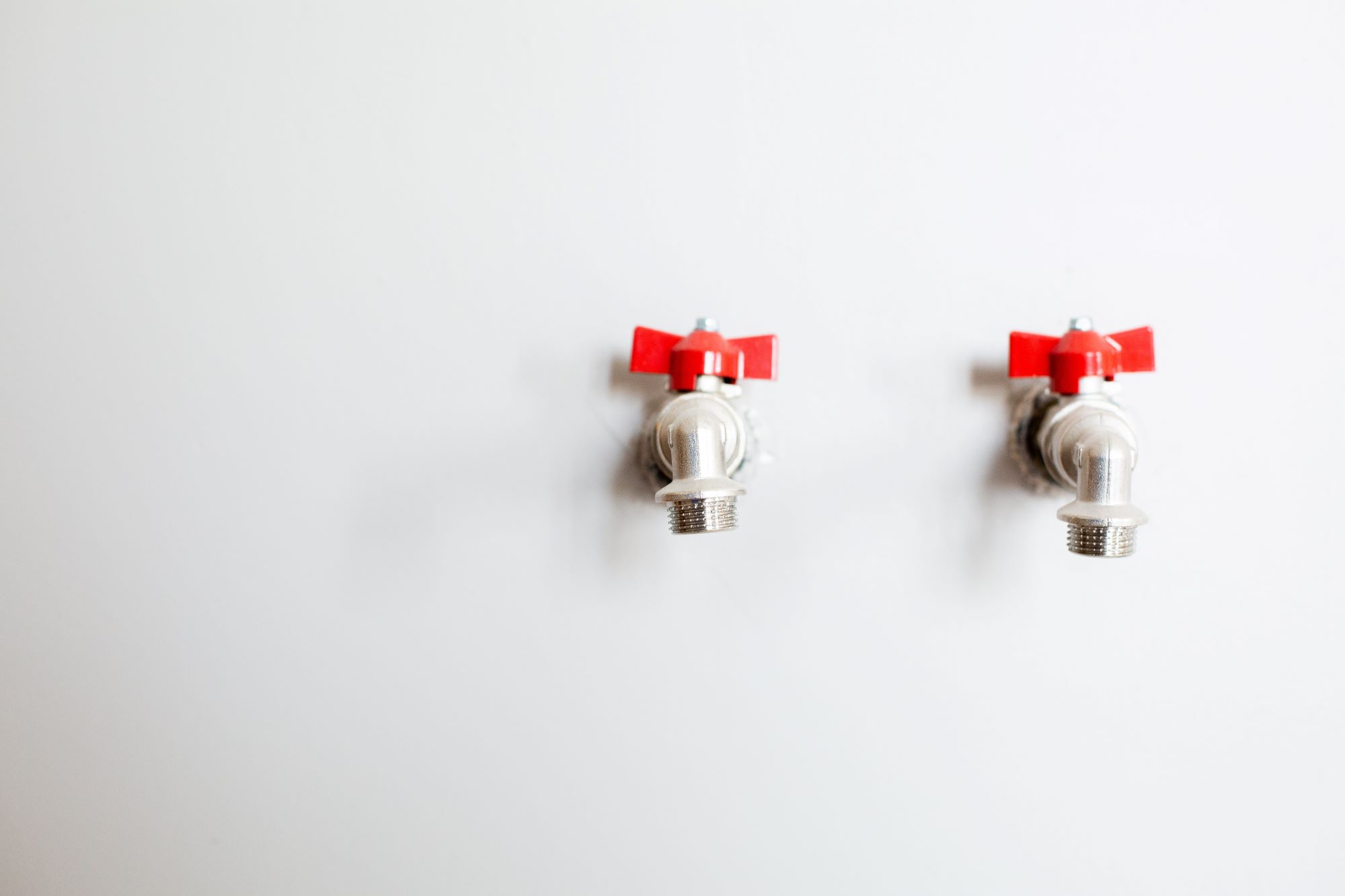
CALGreen – To promote the usage of recycled water which helps to reduce down the demand for the portable water requirement.

CALGreen – To promote the use of electric vehicles /clean air vehicles and reduce the emission of harmful pollutants in the air. The new construction projects are mandated for provision of designated parking spaces for clean air vehicles.

Several measures have been included in the CALGreen code to encourage the use of Clean Air Vehicles. Allocation of parking spaces reserved for such vehicles is one of them. This is a mandatory measure for all new construction and addition/alteration projects that are adding parking spaces.
Energy efficiency has never been more critical, and California is leading the way in the United States with its innovative energy standards and regulations. Title

The purpose of the measure is to save energy in relation to the transportation of construction materials over long distances to the construction site.

A Title 24 report typically refers to the energy efficiency standards in California, also known as the California Energy Code. The Title 24 report is required for new construction and major renovations of residential and non-residential buildings in California to ensure they meet specific energy efficiency standards.

Title 24 refers to a set of building energy efficiency standards in the state of California, United States. The title is part of the California Code of Regulations and is officially known as the California Building Standards Code, Title 24. The standards were established to promote energy efficiency and environmental sustainability in new construction and major renovations of residential and non-residential buildings.

A JADU (Junior Accessory Dwelling Unit) is a specific type of accessory dwelling unit (ADU) in California. It is a small, self-contained living unit that is created within an existing single-family home. The main distinction between a JADU and other types of ADUs is that a JADU is created within the existing space of the primary residence, typically by converting a part of the house, such as a bedroom or a portion of the living area.

Title 24 refers to a set of building energy efficiency standards in the state of California, United States. These standards are established by the California Energy Commission (CEC) and are part of the California Code of Regulations.

CALGreen – In an effort to preserve water quality, these techniques aim to reduce storm water runoff volume and rate. The discharge of surface water contaminants from the project site into receiving waterways can be avoided by making sure that there is no detectable increase.

CALGreen – To limit thermal bridging between materials that come into contact with steel framing and to reduce the quantity of steel that must be utilized in a steel framing system.

CALGreen – To maximize open space inside a development and to promote the use of plants whenever it is possible. The inclusion of these clauses can enhance groundwater recharge, preserve open space and wildlife habitats, and increase the carbon sink effect, which lowers greenhouse gas emissions.